Taiwan's Semiconductor Industry and its Role in Global Tech Supply Chains
Taiwan's semiconductor industry is an unparalleled powerhouse, recognized as a key player in the global technology supply chain. The island nation's ability to design and manufacture semiconductors has given it a dominant role, especially in light of the exponential demand for these microchips in various sectors, including electronics, automotive, and telecommunications. Taiwan's significance in this space has broader implications for global economics, geopolitics, and technology innovation.
This article delves into the history of Taiwan's semiconductor industry, its evolution into a leading player in global supply chains, and the pivotal role it continues to play amid the fast-changing landscape of technological innovation and international relations.
The History and Evolution of Taiwan's Semiconductor Industry
Taiwan's journey in the semiconductor industry began in the 1980s, spearheaded by the vision of its government to transform the country into a technology hub. The turning point for Taiwan came with the establishment of the Industrial Technology Research Institute (ITRI), a government-sponsored research organization that played a crucial role in developing the foundational technologies for semiconductors.
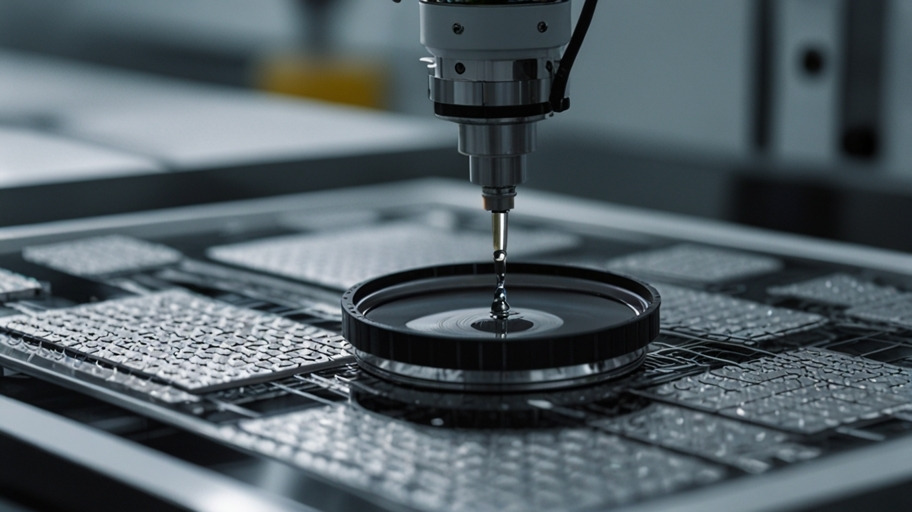
The government also incentivized private sector involvement, leading to the creation of companies such as Taiwan Semiconductor Manufacturing Company (TSMC) and United Microelectronics Corporation (UMC). TSMC, founded in 1987 by Morris Chang, pioneered the foundry model of semiconductor manufacturing, which fundamentally changed the industry. Instead of designing and manufacturing its chips, TSMC focused solely on manufacturing, allowing it to become the go-to manufacturer for global technology giants that required advanced chips for their products. The decision to focus on foundry services rather than competing in chip design enabled Taiwan to carve a specialized niche in the semiconductor value chain.
Over the next few decades, Taiwan grew into a global semiconductor powerhouse. By the early 2000s, TSMC had cemented itself as the leading player in the foundry sector, overtaking competitors in terms of both technology and market share. UMC also established itself as a key player, although its market share remained below that of TSMC. The growth of these two giants was accompanied by a booming ecosystem of semiconductor equipment manufacturers, raw material suppliers, and skilled labor, which further entrenched Taiwan's leadership position in the global semiconductor industry.
Taiwan's Dominance in the Global Semiconductor Supply Chain
Today, Taiwan is indispensable to the global semiconductor supply chain. As of 2023, TSMC controls over 50% of the global foundry market, with its closest competitor, Samsung, trailing behind at around 18%. TSMC's leadership in advanced semiconductor manufacturing, especially in leading-edge nodes such as 5nm and 3nm processes, has made it a critical supplier for companies such as Apple, Nvidia, Qualcomm, and Intel, which rely on these chips for their most advanced products.
The dominance of Taiwan's semiconductor industry can be attributed to several factors:
1. Cutting-Edge Technology Leadership
Taiwanese foundries, particularly TSMC, have consistently stayed ahead of their global competitors in terms of technological advancements. As of 2023, TSMC is the only company capable of mass-producing chips at the 3nm process node, with plans to move to 2nm by 2025. These cutting-edge chips are essential for the latest generation of smartphones, high-performance computing systems, and artificial intelligence (AI) applications. The ability to manufacture such advanced semiconductors gives Taiwan a distinct advantage and makes it the go-to destination for companies needing state-of-the-art chips.
2. Foundry Business Model
The foundry model, pioneered by TSMC, has proven to be a highly successful business approach. By specializing solely in manufacturing semiconductors and leaving chip design to other companies, TSMC was able to focus its resources on building the world's most advanced and efficient production processes. This allowed it to scale rapidly and take on large orders from global technology giants. Other Taiwanese companies, such as UMC and GlobalFoundries (which has significant operations in Taiwan), have also adopted this model, contributing to the nation's success in the semiconductor supply chain .
3. Robust Supply Chain Ecosystem
Taiwan's semiconductor industry benefits from a highly integrated and robust supply chain ecosystem. Over the years, a vast network of local suppliers has emerged to support the semiconductor industry, providing everything from raw materials like silicon wafers to semiconductor manufacturing equipment. This tightly-knit ecosystem allows for greater efficiency and innovation, as manufacturers can source materials and services locally, reducing lead times and costs. Furthermore, the close collaboration between different players in the supply chain facilitates the rapid development and implementation of new technologies.
4. Skilled Workforce and R&D
Taiwan has invested heavily in education and research and development (R&D) to support its semiconductor industry. Universities in Taiwan produce a steady stream of engineering graduates who are well-equipped to work in high-tech industries. Additionally, companies like TSMC invest billions of dollars annually in R&D to stay ahead of the competition. This commitment to innovation has ensured that Taiwan remains a leader in semiconductor technology, even as the industry becomes increasingly complex.
Taiwan's Semiconductor Industry: The Backbone of Global Tech Innovation
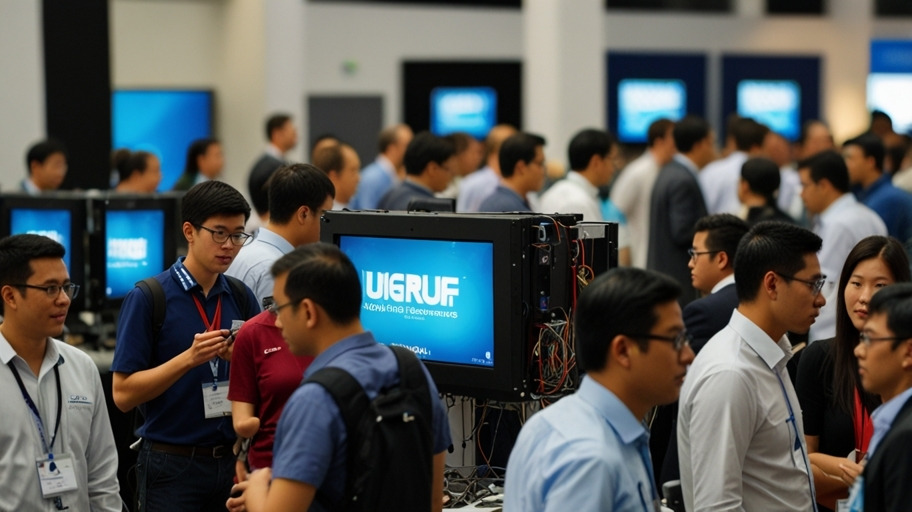
The role of Taiwan's semiconductor industry in the global technology supply chain cannot be overstated. Virtually every major technology company in the world, including Apple, Google, Amazon, Microsoft, and Tesla, relies on semiconductors produced in Taiwan. These companies require cutting-edge chips for everything from smartphones and data centers to electric vehicles and AI-powered systems.
1. Smartphones and Consumer Electronics
One of the most prominent sectors reliant on Taiwanese semiconductors is the smartphone industry. Apple, for example, relies on TSMC to manufacture the advanced chips used in its iPhones. The demand for smartphones, tablets, and other consumer electronics has grown exponentially over the past two decades, and Taiwan's semiconductor industry has been at the forefront of meeting this demand. As consumer electronics become more powerful and capable of performing increasingly complex tasks, the need for advanced chips will continue to rise, further solidifying Taiwan's importance in this market.
2. High-Performance Computing and AI
The rise of AI and machine learning has placed new demands on the semiconductor industry. High-performance computing (HPC) systems, which are used to train AI models and perform complex simulations, require semiconductors that can process vast amounts of data at high speeds. Taiwan, with its leadership in advanced chip manufacturing, is well-positioned to meet this demand. Companies like Nvidia and AMD rely on TSMC to produce the chips used in their GPUs, which are essential for AI applications. As AI continues to evolve and become more integrated into everyday life, the demand for advanced semiconductors from Taiwan is expected to grow.
3. Automotive Industry
The automotive industry has become increasingly reliant on semiconductors as vehicles become more technologically advanced. Electric vehicles (EVs) and autonomous vehicles, in particular, require sophisticated chips for everything from battery management and power control to AI-driven decision-making systems. The global push toward electric and autonomous vehicles has further increased demand for Taiwan's semiconductors. Companies like Tesla depend on TSMC and other Taiwanese foundries to supply the chips needed for their cutting-edge vehicles.
4. 5G and Telecommunications
The rollout of 5G networks has also driven demand for advanced semiconductors. 5G technology requires chips that can operate at higher frequencies and handle more data than previous generations of wireless technology. Taiwanese semiconductor manufacturers have been instrumental in providing the chips needed for 5G infrastructure, including base stations, routers, and smartphones. As 5G continues to expand globally, Taiwan's role in this sector will become even more critical.
Geopolitical Tensions and Risks to Taiwan's Semiconductor Industry
While Taiwan's semiconductor industry is a major asset to the global economy, it also faces significant risks, particularly from geopolitical tensions. The island's proximity to China and the complex political relationship between the two has led to concerns about the stability of the global semiconductor supply chain .
China views Taiwan as part of its territory and has not ruled out the use of force to achieve reunification. Any disruption in the region, whether due to military conflict or political instability, could have far-reaching consequences for the global technology industry. Given the The world's dependence on Taiwanese semiconductors, a disruption to the supply of chips from Taiwan would cause widespread disruptions in industries ranging from electronics to automotive manufacturing.
In response to these concerns, several countries, including the United States and Japan, have sought to diversify their semiconductor supply chains. The US, for example, has launched initiatives to bolster domestic semiconductor manufacturing through the CHIPS Act, which includes incentives for companies like TSMC to build manufacturing facilities in the US While these efforts are aimed at reducing dependency on Taiwan, they are unlikely to fully mitigate the risks in the short term, given the complexity and scale of Taiwan's semiconductor industry.
The Future of Taiwan's Semiconductor Industry
The future of Taiwan's semiconductor industry looks promising, but it will not be without challenges. The industry must continue to innovate and invest in new technologies to maintain its leadership position. TSMC, for example, is already working on developing 2nm and 1nm process nodes, which will be crucial for the next generation of high-performance computing, AI, and telecommunications applications.
However, Taiwan's dominance in the semiconductor industry will also be tested by growing competition from other countries. South Korea's Samsung is investing heavily in its semiconductor manufacturing capabilities, while China is making concerted efforts to develop its domestic semiconductor industry through initiatives like its “Made in China 2025” strategy.

Additionally, Taiwan will need to navigate the ongoing geopolitical challenges and ensure the stability of its semiconductor supply chain. This will likely involve closer collaboration with international partners and further investments in securing raw materials and manufacturing equipment.
Conclusion
Taiwan's semiconductor industry is the backbone of the global technology supply chain. With its leadership in advanced chip manufacturing, Taiwan plays a critical role in powering the world's smartphones, computers, electric vehicles, and AI systems. However, the industry also faces significant challenges, including geopolitical risks and growing competition from other countries.
Despite these challenges, Taiwan's semiconductor industry is well-positioned to remain a global leader in the coming decades, provided it continues to innovate and invest in the future. The world's reliance on Taiwanese semiconductors is unlikely to diminish anytime soon, making Taiwan a crucial player in the global technology landscape.